Historical 3D Reconstructions
Architecture
Architecture
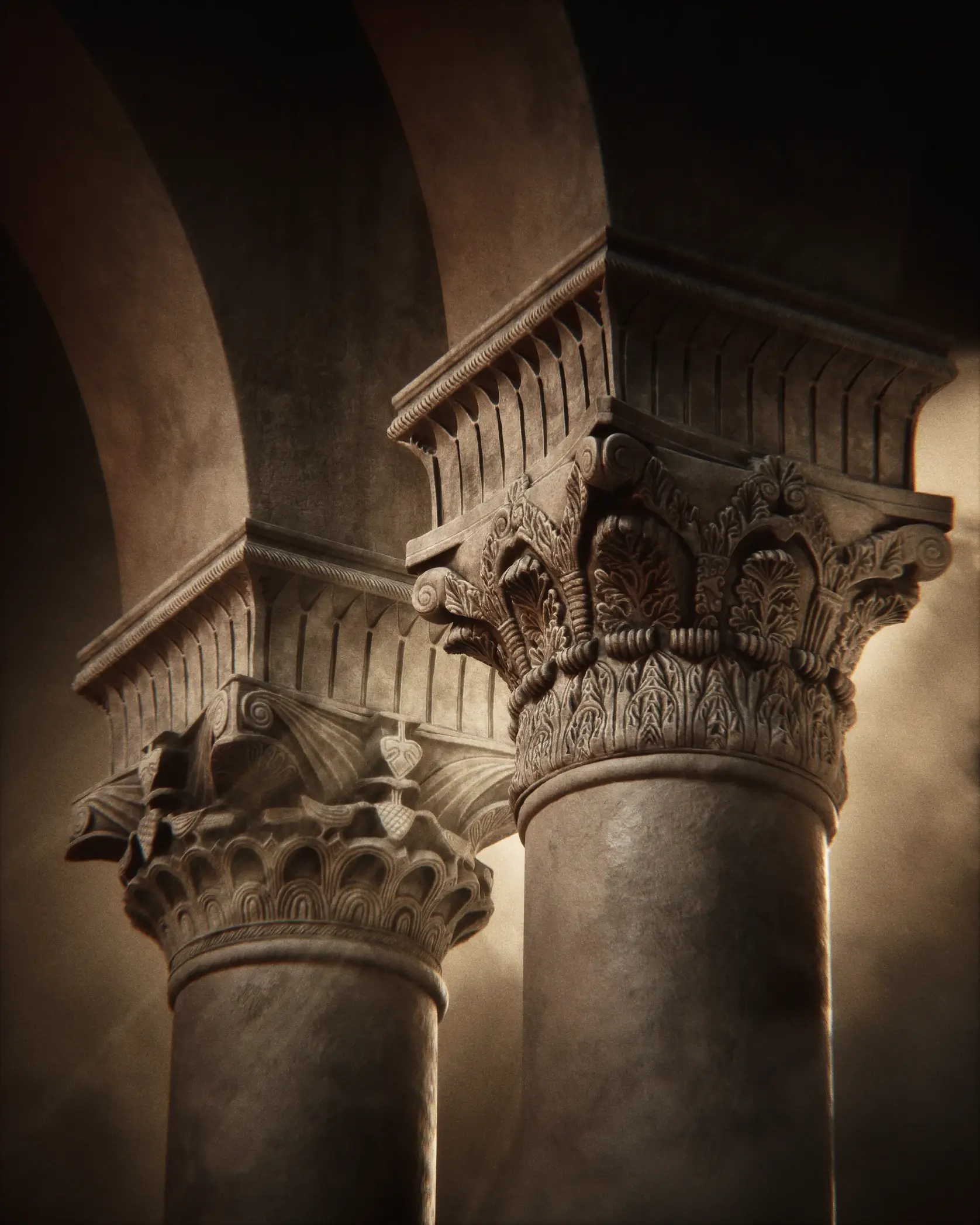
From thatched timber-frame huts to marble-clad temples and monumental Baroque palaces.
I reconstruct architecture across every scale, from humble thatched timber-frame huts to marble-clad temples and monumental Baroque palaces.
My work covers everything from individual architectural elements or buildings to the creation of complete settlements, castles and towns. Both exteriors and interiors.
To ensure that every structure tells an authentic story, I capture the passage of time through detailed modeling and texturing - from construction and newly completed states to weathered, degraded, or renovated conditions.
Objects
Objects
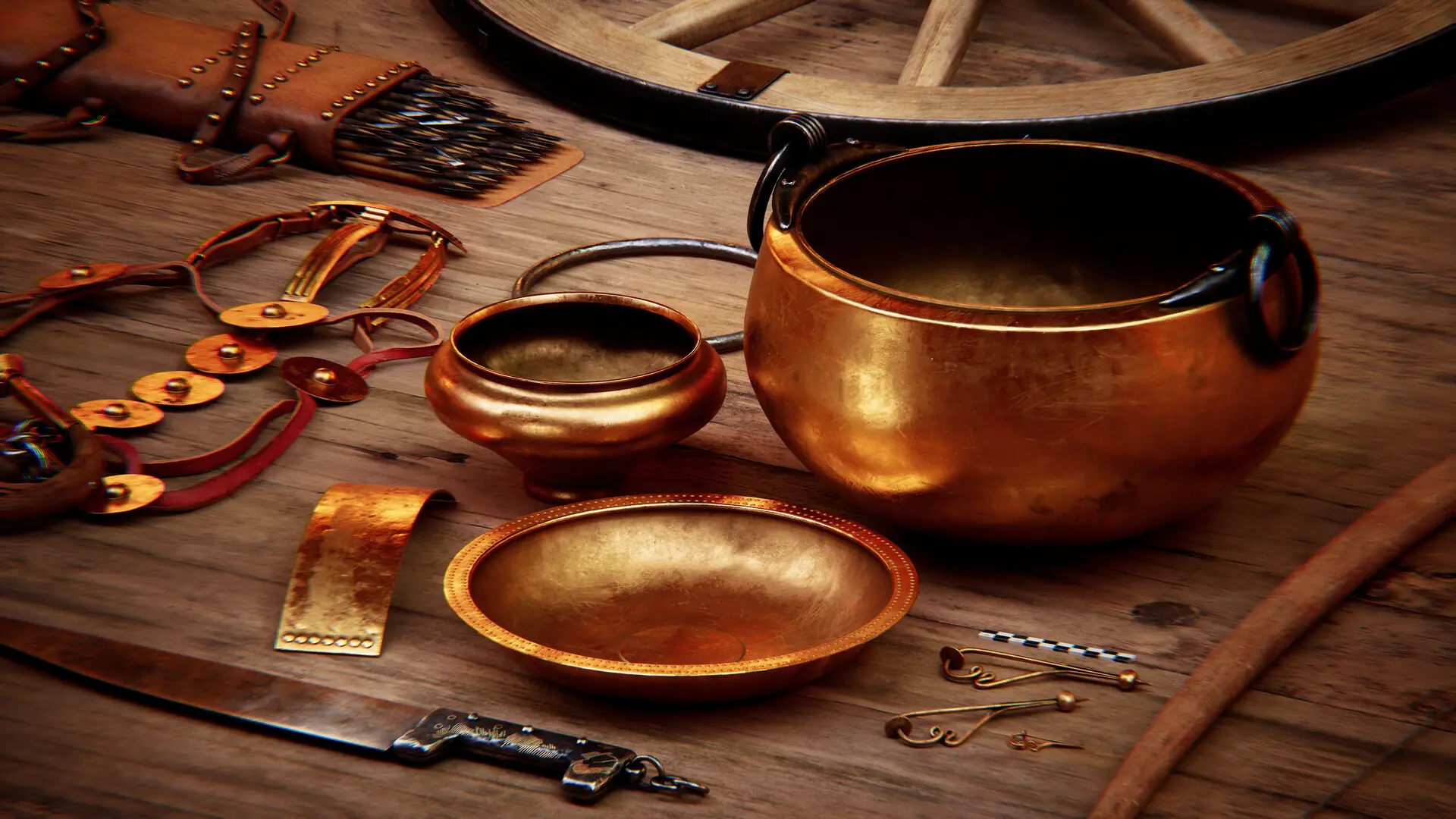
Accurately modeled from scratch using advanced texturing and rendering techniques.
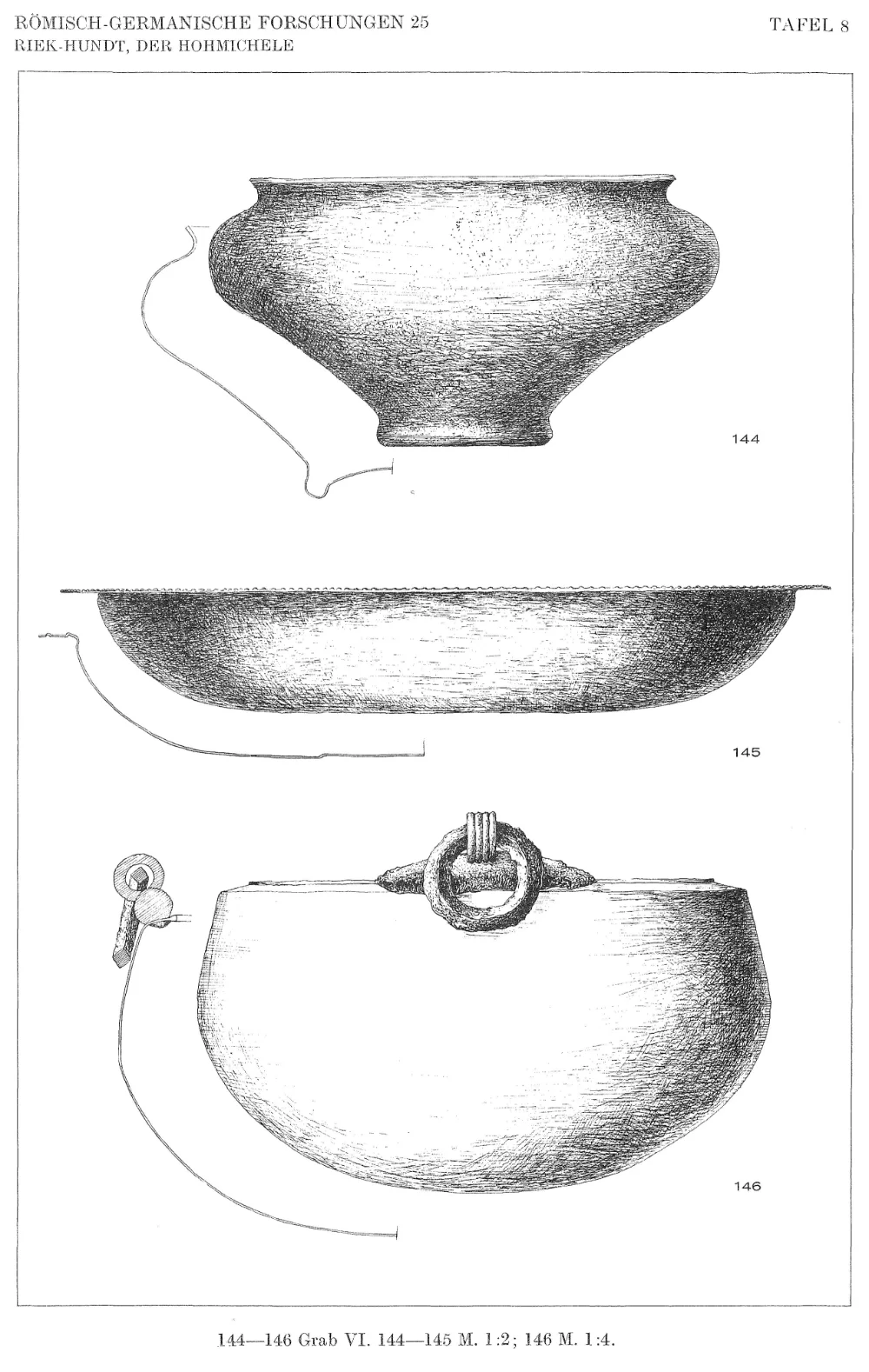
I place great care into the precise modeling of historical objects, using advanced texturing and rendering techniques with an eye for archaeological detail.
These production-ready assets are designed to work on any platform. From images and film to AR/VR and more. 3D printing can be utilized to bring the reconstructions into the physical world, offering audiences to experience history through touch, making the past accessible and engaging for visitors of all ages and abilities.
Archeological Visualization
Archeological Visualization
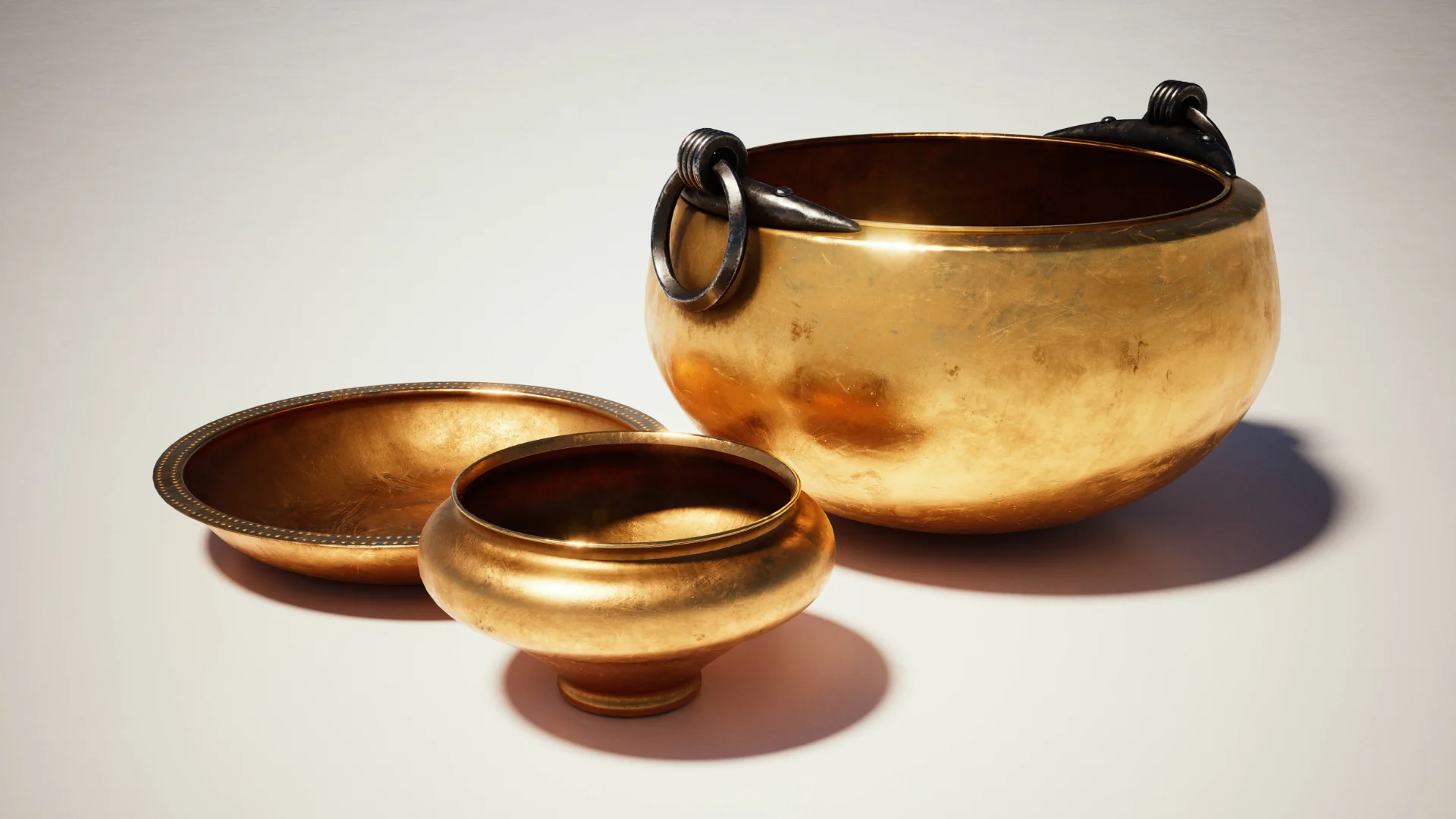
Where it is important to not only show the individual finds, but also the context in which they were found.
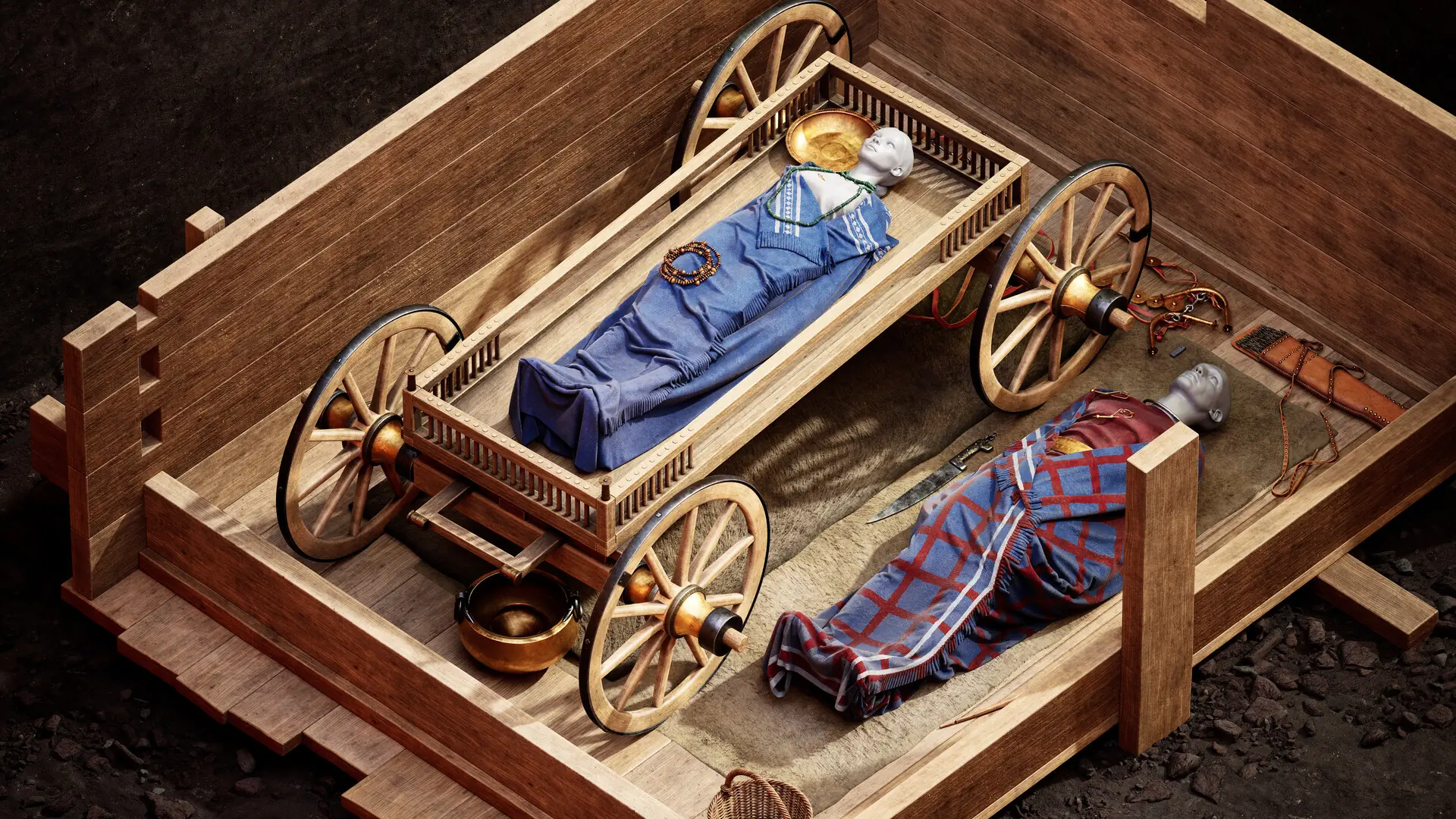
In many cases, it is essential not only to present individual artefacts, but also to reconstruct the broader context in which they were discovered.
Drawing on excavation reports where available, alongside wider historical research, I create reconstructions of archaeological sites in close collaboration with archeologists and historians.
My aim is to honor the underlying research while transforming complex or otherwise inaccessible data into engaging and compelling visualizations both for a general audience, as well as historians, researchers or deeply interested enthusiasts.
Digital Restoration
Digital Restoration
Non-invasive repair and restoration of artefacts.
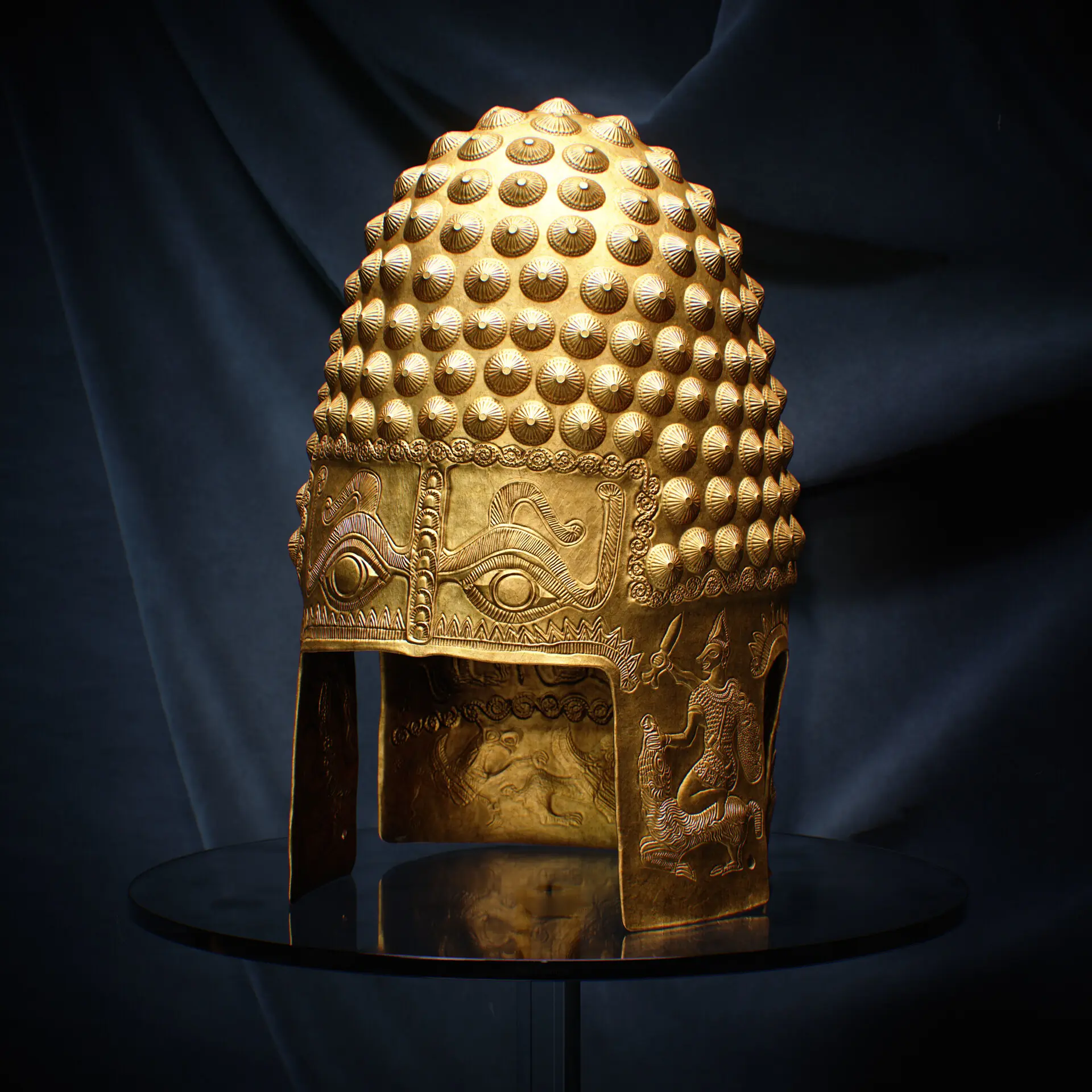
I transform raw scan data into production-ready 3D models by resolving issues such as missing geometry, incomplete colour data, and meshing inaccuracies through advanced digital sculpting and reprojection workflows in ZBrush. I provide manual digital restoration services to restore the original appearance of historical artefacts.
A major advantage of digital restoration is that the process is entirely non-invasive and risk-free.
The final results can be integrated into interactive 3D viewers, VR and AR applications, image sliders, enabling direct comparisions between current and restored states.
Restored models can also be reproduced as full-scale 1:1 3D prints.
Characters
Characters
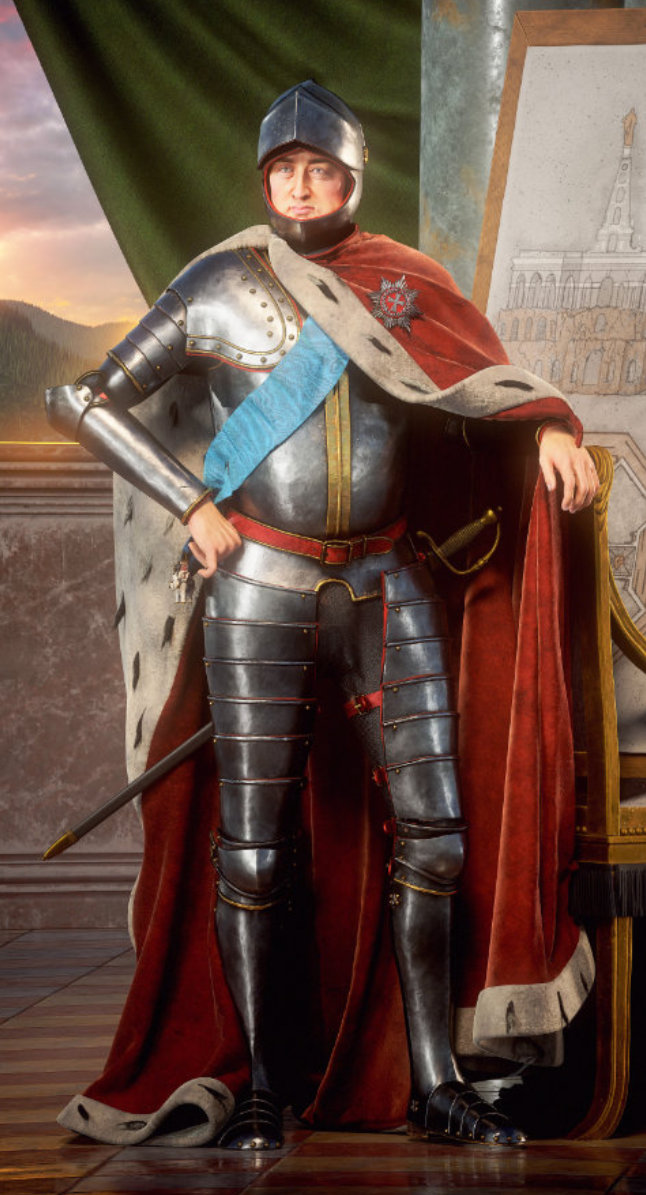
Well-known figures or ordinary civilians from various historical periods are brought back to life.
Well-known figures or ordinary civilians from various historical periods are brought back to life.
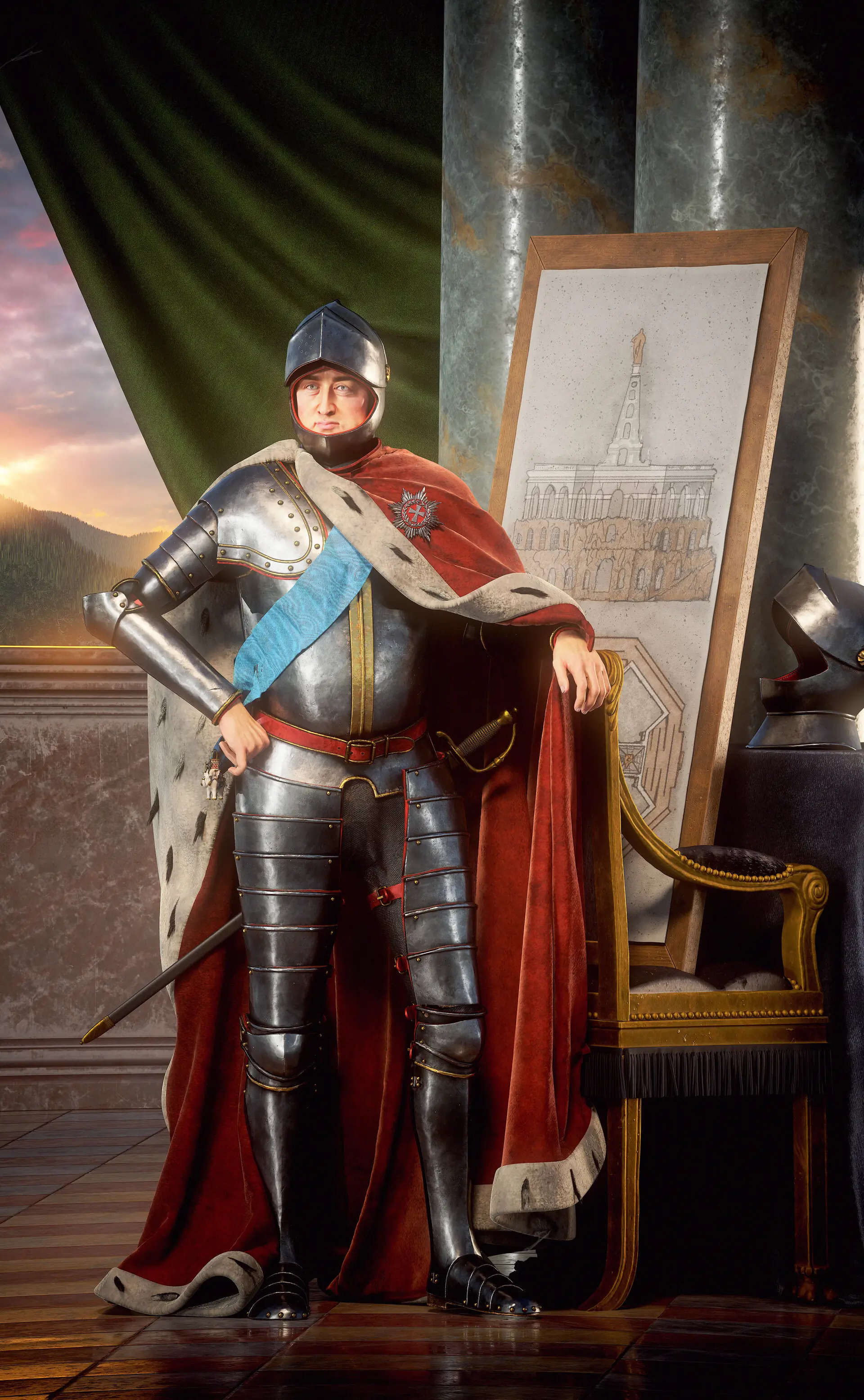
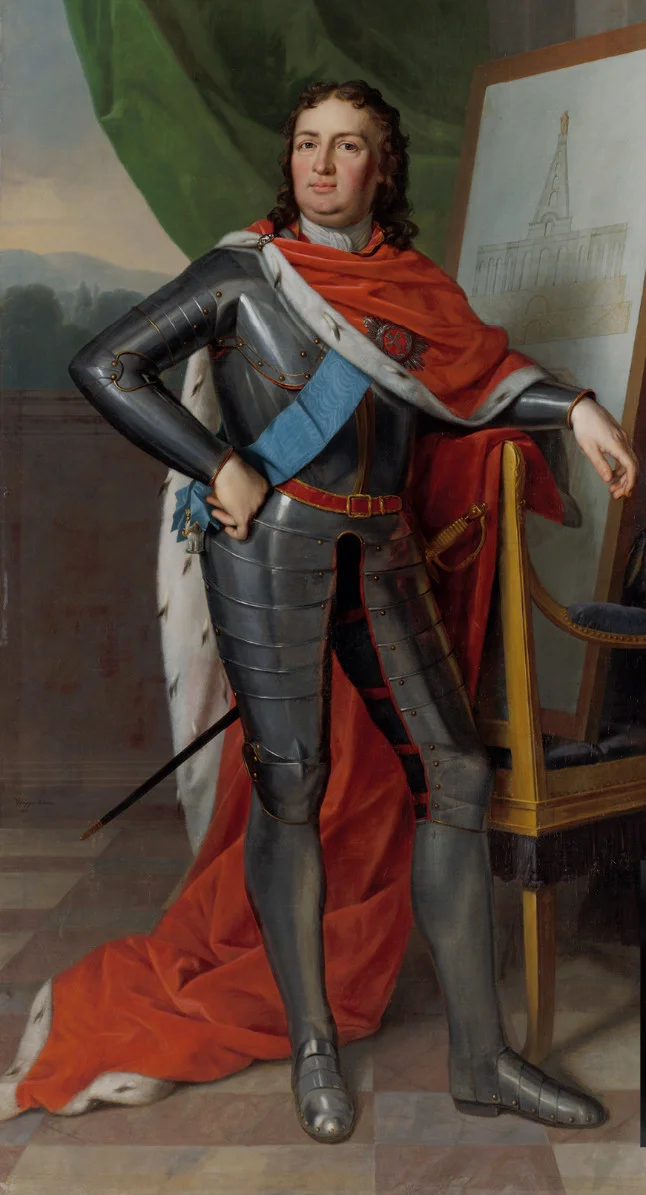
Characters can be reconstructed in different ways: either by closely replicating specific historical depictions or by synthesizing multiple sources to ensure consistency and avoid anachronisms.
Historical clothing requires particular precision, so I use Marvelous Designer to create garments based on authentic clothing patterns.
For facial likeness, I begin with Character Creator to quickly establish a base model, and then refine the details in ZBrush.
The model is then skinned & rigged and animation-ready.
Characters can be used for simple visualizations, animated films or even serious games that allow the audience to walk through the environment as a historical figure, like in a video game.
Full Environments
Full Environments
Immersive worlds and experiences, in realtime.
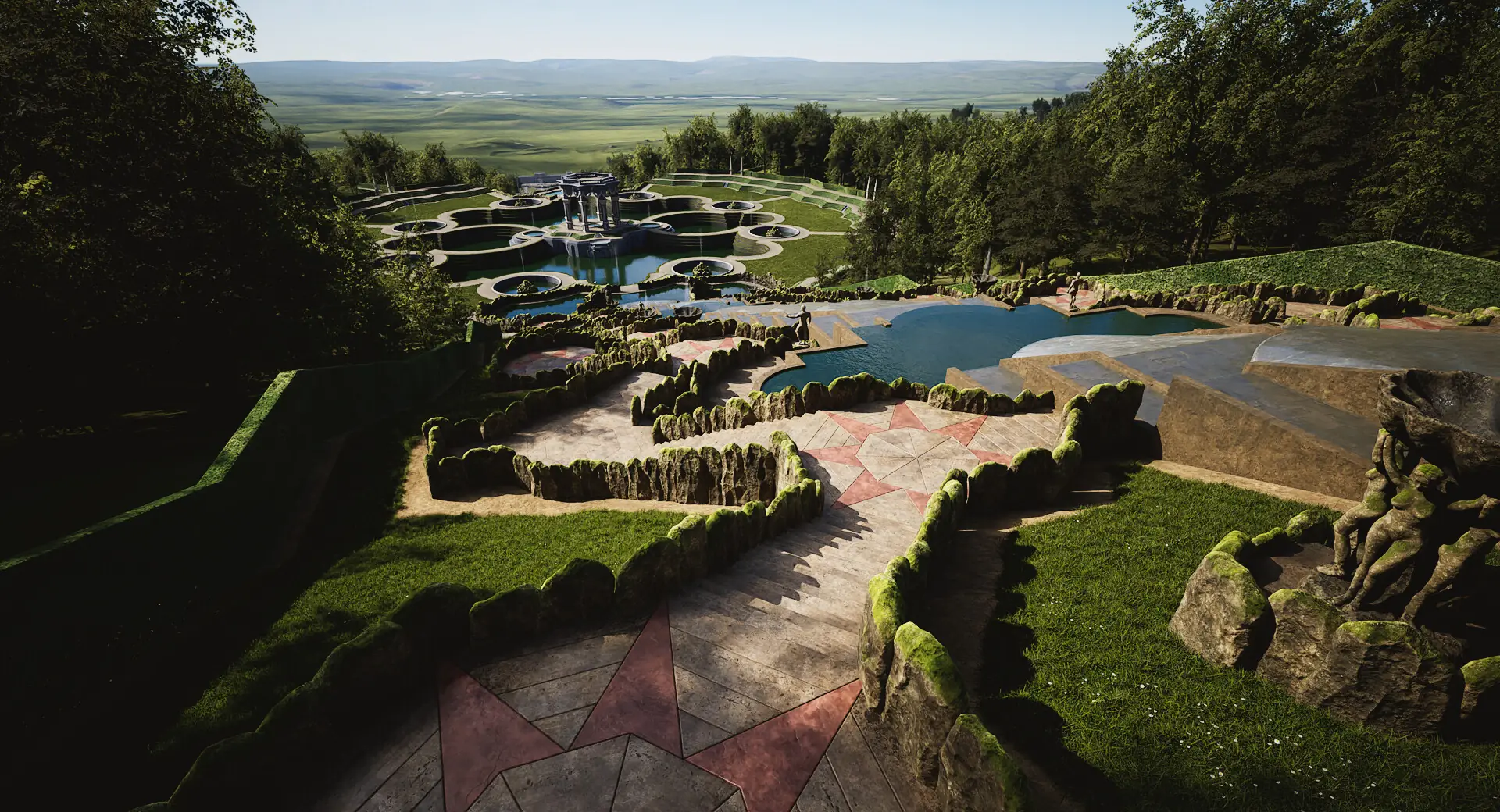
This is where all elements come together within a fully immersive 3D environment.
Buildings are placed within their correct historical and geographical context, while vegetation, terrain, physically-based lighting and dynamic weather systems are added to complete the environment with a high level of realism.
To further bring these worlds to life, environments can be populated with animated inhabitants and animals that reflect the historical dress, the culture and ecology of the period.
Lighting conditions, seasonal changes, and even lunar phases can be reconstructed for specific historical dates, allowing the atmosphere of a precise moment in history to be authentically recreated.
As these models are created and optimized for realtime use, they are not limited to cinematic video rendering but can also be deployed directly as interactive game environments, enabling users to explore these virtual worlds in the most immersive way - from a first- or third-person perspective - by walking or flying through the environments using intuitive controls such as game controllers, joysticks, mouse & keyboard or touchscreens.
Landscapes
Landscapes
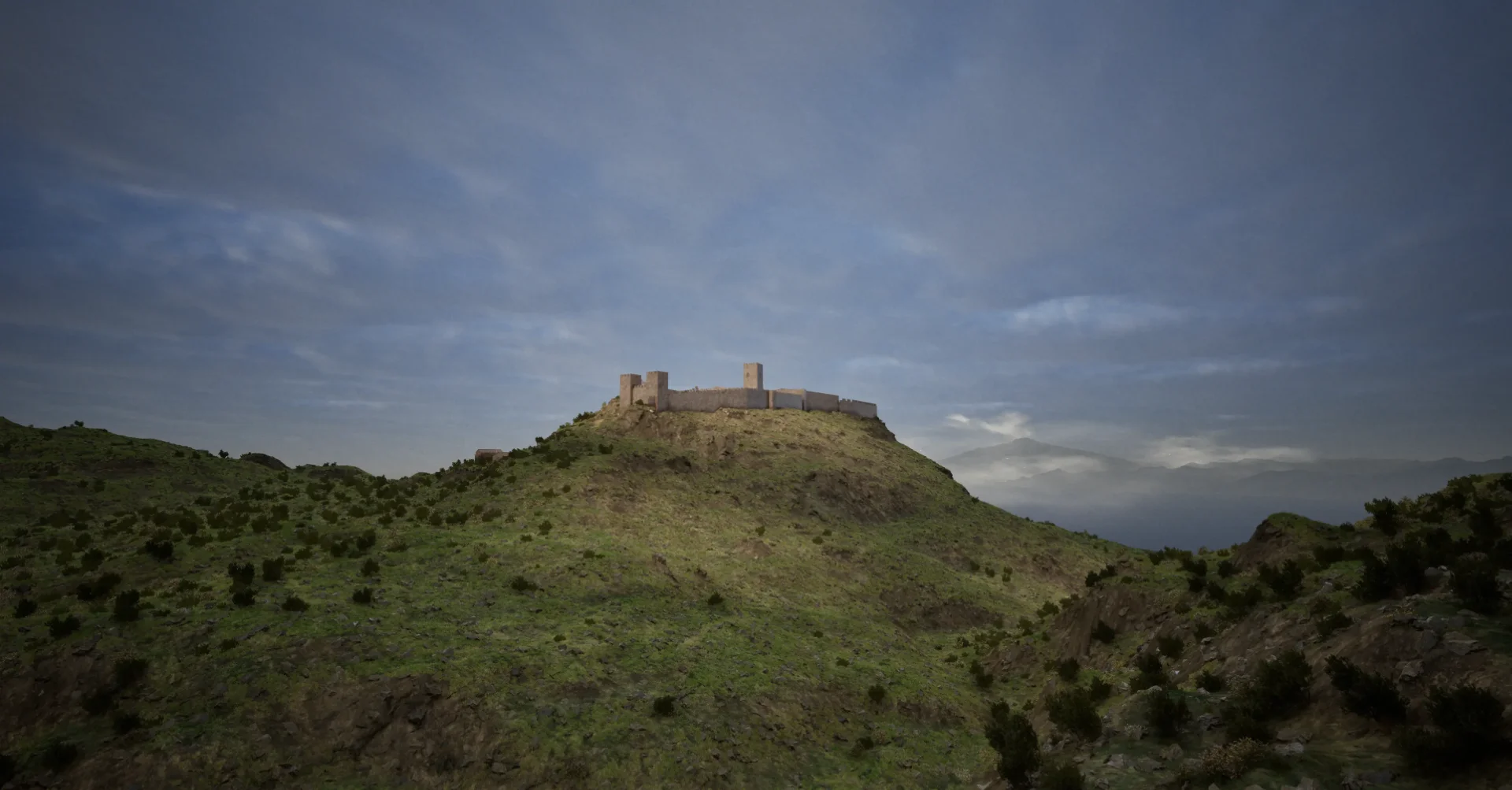
Based on LiDAR data and geo-referenced in QGIS, or sculpted from scratch.
Landscapes can be created based on LiDAR (Light Detection and Ranging) data and geo-referenced in QGIS, sculpted from scratch, or derived from topographical contour lines.
Alternatively, LiDAR data can serve as a base model that is then re-sculpted to represent an earlier historical landscape, reflecting how geological processes may have altered the terrain over time.
For close-up detail, landscape shaders and procedural foliage spawners are created in Unreal Engine.
Architecture
Architecture
From thatched timber-frame huts to marble-clad temples and monumental Baroque palaces.
I reconstruct architecture across every scale, from humble thatched timber-frame huts to marble-clad temples and monumental Baroque palaces.
My work covers everything from individual architectural elements or buildings to the creation of complete settlements, castles and towns. Both exteriors and interiors.
To ensure that every structure tells an authentic story, I capture the passage of time through detailed modeling and texturing - from construction and newly completed states to weathered, degraded, or renovated conditions.
Objects
Objects
Accurately modeled from scratch using advanced texturing and rendering techniques.
I place great care into the precise modeling of historical objects, using advanced texturing and rendering techniques with an eye for archaeological detail.
These production-ready assets are designed to work on any platform. From images and film to AR/VR and more. 3D printing can be utilized to bring the reconstructions into the physical world, offering audiences to experience history through touch, making the past accessible and engaging for visitors of all ages and abilities.
Digital Restoration
Digital Restoration
Non-invasive repair and restoration of artefacts.
I transform raw scan data into production-ready 3D models by resolving issues such as missing geometry, incomplete colour data, and meshing inaccuracies through advanced digital sculpting and reprojection workflows in ZBrush. I provide manual digital restoration services to restore the original appearance of historical artefacts.
A major advantage of digital restoration is that the process is entirely non-invasive and risk-free.
The final results can be integrated into interactive 3D viewers, VR and AR applications, image sliders, enabling direct comparisions between current and restored states.
Restored models can also be reproduced as full-scale 1:1 3D prints.
Characters
Characters
Well-known figures or ordinary civilians from various historical periods are brought back to life.
Well-known figures or ordinary civilians from various historical periods are brought back to life.
Characters can be reconstructed in different ways: either by closely replicating specific historical depictions or by synthesizing multiple sources to ensure consistency and avoid anachronisms.
Historical clothing requires particular precision, so I use Marvelous Designer to create garments based on authentic clothing patterns.
For facial likeness, I begin with Character Creator to quickly establish a base model, and then refine the details in ZBrush.
The model is then skinned & rigged and animation-ready.
Characters can be used for simple visualizations, animated films or even serious games that allow the audience to walk through the environment as a historical figure, like in a video game.
Archeological Visualization
Archeological Visualization
Where it is important to not only show the individual finds, but also the context in which they were found.
In many cases, it is essential not only to present individual artefacts, but also to reconstruct the broader context in which they were discovered.
Drawing on excavation reports where available, alongside wider historical research, I create reconstructions of archaeological sites in close collaboration with archeologists and historians.
My aim is to honor the underlying research while transforming complex or otherwise inaccessible data into engaging and compelling visualizations both for a general audience, as well as historians, researchers or deeply interested enthusiasts.
Full Environments
Full Environments
Immersive worlds and experiences, in realtime.
This is where all elements come together within a fully immersive 3D environment.
Buildings are placed within their correct historical and geographical context, while vegetation, terrain, physically-based lighting and dynamic weather systems are added to complete the environment with a high level of realism.
To further bring these worlds to life, environments can be populated with animated inhabitants and animals that reflect the historical dress, the culture and ecology of the period.
Lighting conditions, seasonal changes, and even lunar phases can be reconstructed for specific historical dates, allowing the atmosphere of a precise moment in history to be authentically recreated.
As these models are created and optimized for realtime use, they are not limited to cinematic video rendering but can also be deployed directly as interactive game environments, enabling users to explore these virtual worlds in the most immersive way - from a first- or third-person perspective - by walking or flying through the environments using intuitive controls such as game controllers, joysticks, mouse & keyboard or touchscreens.
Landscapes
Landscapes
Based on LiDAR data and geo-referenced in QGIS, or sculpted from scratch.
Landscapes can be created based on LiDAR (Light Detection and Ranging) data and geo-referenced in QGIS, sculpted from scratch, or derived from topographical contour lines.
Alternatively, LiDAR data can serve as a base model that is then re-sculpted to represent an earlier historical landscape, reflecting how geological processes may have altered the terrain over time.
For close-up detail, landscape shaders and procedural foliage spawners are created in Unreal Engine.
I offer a comprehensive approach to 3D creation and specialize in building complete 3D worlds, from architecture and props to characters, landscapes, lighting, and more. Managing most aspects myself, ensures visual consistency, creative control and a more effecient production process.
Outputs & Usecases
One of the benefits of realtime-ready 3D models is their versatility. A wide range of derivatives can be generated from a single optimized model - without the need to rework or adapt entire workflows. Learn more.